Field: Mental Health

Prescription video games for kids with ADHD could be on the horizon
With its FDA approval, EndeavorRx may mark the beginning of prescription video games for kids with ADHD and other mental health disorders.

MDMA has long-lasting benefits as a PTSD treatment
The benefits of MDMA therapy as a PTSD treatment appear to last for at least a year, according to a newly published paper.

Ketamine discovery may lead to new antidepressants
Researchers have uncovered new insights into how ketamine affects the brain, potentially illuminating the path to new antidepressants.

New health wearable measures sweat to track your mood
An app that works with a wearable wrist sensor to track how much a person sweats could change how we harness the power of biodata in the future.

The science behind your crazy pandemic dreams
If you’ve been having strange dreams and poor sleep during lockdown, you’re not alone. The anxiety-inducing pandemic, less activity, and more screen-time have many more people struggling with insomnia than usual.

The rise of virtual therapy
In a time when the need is great and the future is unknown, virtual mental health services like BetterHelp are bringing relief and hope.

Facing the fear of death in virtual reality
With a virtual reality death simulator, this immersive experience helps people address the uncomfortable subject of mortality and face their fear of dying.

Reading your digital signature to detect depression, Parkinson’s
Digital phenotyping uses our smartphones to detect anything from Parkinson's disease to mental health disorders.

Treating depression at home with a tDCS headset
At-home tDCS headsets are helping people treat their depression without having to go to a doctor’s office.

Could VR change how you trip on ketamine?
Virtual reality meets ketamine therapy to help treat pain, anxiety, and depression, to name a few.

Series|
Dope Science
I use ketamine for depression – here’s how it works
Commonly known as a party drug, ketamine’s powerful effects on the brain have led doctors to further explore its medical potential. Now, the animal anesthetic is providing relief and hope for people with severe depression.

Scientists are developing brain implants that improve memory
New research sheds hope for sufferers of traumatic brain injury, Alzheimer’s, and for all of us, old age.

Improv for anxiety
In a judgement-free setting, improv requires the mind to focus on the present, providing natural anxiety relief for performers.

Psychedelic mushrooms explained
Psychedelic mushrooms, AKA magic mushrooms or psilocybin mushrooms, are currently being researched as a treatment for depression, addiction, and more.

Does playing sports quiet the brain?
Athletes across many sports have something in common - they can more easily “quiet” their brain to focus on what’s really going on.

Series|
Catalysts
Rethinking addiction recovery with fitness
In partnership with Stand Together
As drug overdose deaths climb higher, this gym is challenging the thinking behind traditional models for addiction recovery services with free memberships open to anyone sober for at least 48 hours.

Series|
Dope Science
Microdosing psychedelics
Microdosing is the no-flowers-in-your-hair practice of regularly taking minimal amounts of hallucinogenic substances. Although it’s currently illegal, millions of dollars are being poured into further research.

Ketamine explained: Understanding the special k drug
Ketamine, known recreationally as the “Special K” drug, is a trance-inducing anesthetic that researchers believe has more powerful uses off the dance floor.

Healing PTSD with MDMA therapy
New hope for PTSD sufferers is coming from an expected quarter: MDMA.

We may have found a drug to curb meth addiction
Meth addiction is on the rise, so this team of researchers is working to develop the first FDA-approved medication to treat the use disorder.

New promise for psychedelics and depression
New findings on psychedelics and depression show the benefits of microdosing, and could present more effective treatment options.

Series|
Dope Science
Cannabis as a natural treatment for autism
When typical medications simply aren’t doing enough to manage their children’s symptoms, mothers like Jenni Mai are turning to medical marijuana. But with current regulations, parents are having to become pharmacists for their own families, and some are even moving across the country so they can legally access cannabis.

Nature is good for you. What about VR nature?
Nature has the power to reduce stress and enhance our moods. Can VR nature experiences be a substitute for physically spending time in the outdoors?

Diving deep into the brain to measure neurotransmitters
Researchers are taking the first measurements of neurotransmitters in active human brains, using computational psychiatry to understand how the mind works.

Marijuana and autism: Removing the stigma
Research is beginning to prove the hopeful connection between marijuana and autism treatment for symptom relief. Here is one man’s inspiring story.

Series|
Through the Looking Glass
VR trips help treat depression in the elderly
In the U.S., about six million people over the age of 65 experience late life depression. So one organization is providing virtual reality excursions for seniors to help them experience life to the fullest.

Shedding the stigma of substance use
In partnership with Stand Together
By achieving fitness goals together, The Phoenix community is peeling off the shame, regret, and stigma often associated with addiction.

Series|
Through the Looking Glass
Conquering fear with virtual reality exposure therapy
Whether a patient fears spiders or flying, VR technology allows therapists to treat anxiety disorders by simulating these experiences in a safe environment.

Advice from a death doula: unlocking life before death
Talking about death can actually make it a much less frightening topic. Here’s how working with a death doula or attending a local death cafe can help.

Addict-turned-neuroscientist on addiction and the brain
In our interview with neuroscientist Judith Grisel, she discusses the state of research on addiction and the brain, as well as society’s view of addicts.

Series|
Catalysts
The mental health movement for Chicago’s inner city youth
In partnership with Stand Together
A remarkable transformation is taking place in several inner-city Chicago schools, and it's resulting in fewer gangs, drugs, and homicides. Could this new model of group therapy be the cause, and is it scalable?
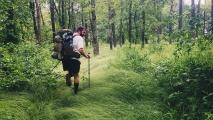
Wilderness experience helps army vet adjust to life after war
Meet Thomas Weinheimer, an army veteran whose 53-day wilderness experience on a North Carolina trail helped ease his transition back to civilian life.

Wilderness therapy: A path to healing for Veterans
These long-distance treks use the power of nature over three to six months of exploration to help heal the invisible wounds of war, and the results are incredible.

This artist heals wounds of violence with tattoos
Brian Finn tattoos over scars from self-harm, violence, or human trafficking for free or at a discounted rate in order to help people heal.

Take a trip to Johns Hopkins' new psychedelic research center
Johns Hopkins is throwing its considerable clout behind the fast-growing field of psychedelic research, pouring $17 million into a research center to study the hallucinogenic drugs.

Scientists sidestep restrictions on cannabis research by taking their lab mobile
This mobile lab, run by scientists at the University of Colorado Boulder, is one of several workarounds developed...

Keeper of the missing
One woman is tracking thousands of missing people. Autism is her superpower.

Is the future of therapy… virtual? A look into virtual reality therapy
The immersive world of VR may have therapeutic benefits for people combating phobias, anxiety, and PTSD.

Is autism a mysterious medical condition or part of the spectrum of human diversity?
Rethinking Autism: Interview with NeuroTribes Author Steve Silberman

Can people with autism help create next-generation AI?
Daivergent is a new startup that hires people with autism to train artificial intelligence - and helps them start independent careers.

The joy of being wrong
In partnership with John Templeton Foundation
Can practicing intellectual humility make us smarter and happier? Science says yes.
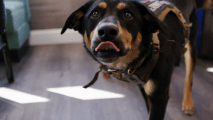
These hero pups are helping veterans and prisoners heal
Hero Pups is an organization providing support dogs for military veterans and first responders. Now, prison inmates are helping train them - with great results.

Who will save your parent’s life story?
When her dad had Alzheimer’s, this journalist wrote his life story to help his caregivers understand him. Now, she’d doing the same for hundreds more.

Can cognitive behavioral therapy break the cycle of violence?
CBT is a promising way to reduce violence, so why has it been so hard to scale?

An app to help prevent suicide
Meet the teens who built the notOK App: a "panic button" for people who need help.

Personal genetics might solve the opioid crisis – and the pain crisis
Why does pain hurt more for some people? Why do others feel nothing at all?

Coffin-building club helps seniors face death and enjoy life
These seniors are tackling the stigma around death by decorating their own coffins.

Study shows schizophrenia begins in the womb, unraveling a genetic mystery
Half of genes linked to schizophrenia are primarily involved in the placenta, not the brain.

Mental training can heal traumatic brain injuries (and reduce depression)
Millions of people are dealing with traumatic head injuries; brain scans show that cognitive training could...

The eternal sunshine of the stressed out mind
Researchers at Cambridge University have finally figured out how the brain stops stressful thoughts and memories...

Can sleep deprivation cure depression?
Losing sleep can have a lot of adverse health effects, but recent science shows it could also have a surprising upside