Field: Healthcare

A Spanish teen’s genome may hold the secret to lupus
Researchers believe they have found a single point mutation in an infection-sensing gene that causes the autoimmune disorder.

Joystick-operated robot could help surgeons treat stroke remotely
With a modified joystick, surgeons in one hospital may control a robotic arm at another location to safely operate on a patient.

How Robert Langer, a pioneer in delivering mRNA into the body, failed repeatedly but kept going
Langer published the first paper to show that it was possible to deliver nucleic acids like RNA and DNA to the body via tiny particles.

Researchers want to fight cancer — by mutating it even more
Sloan Kettering researchers have proposed a controversial way to improve immunotherapy: making cancer cells mutate on purpose.

This wristband tells you what food to buy based on your DNA
By analyzing genetic code determining susceptibility to health conditions like diabetes, it tells you which foods are best for you.

We overwash our bodies because bad odors are uniquely disgusting
Overwashing is bad for skin health, but many people do it anyway. One reason is that our brains intimately associate stink with disgust.

Bacteria living inside tumors help cancer spread through the blood
Intracellular bacteria promote cancer metastasis by enhancing the tumor cells' resistance to mechanical stress in the bloodstream.

New $5-device allows healthy sperm cells to isolate themselves
About 10% of men are infertile, and often their sperm is to blame. This device could help separate the healthy cells from the others.

Build strength with only three seconds of weight lifting per day?
Researchers have found that a four-week program consisting of three seconds of weight lifting per day for five days a week boosts strength.


Medical drones to transport blood being rushed to Ukraine
Medical drones are being rushed to Ukraine to help residents get the medical supplies they need in the midst of the war with Russia.

Reversing hearing loss with regenerative therapy
MIT spinout Frequency Therapeutics’ drug candidate stimulates the growth of hair cells in the inner ear.

Cancer is addicted to iron. It could be a fatal weakness.
By homing in on the high levels of iron in certain cancer cells, researchers have created a more targeted anticancer drug.

A physician didn’t shower for 5 years. Here’s what he found out.
Hygiene rituals are as old as recorded civilization, but capitalism has spurred us to use increasingly elaborate and expensive regimens.
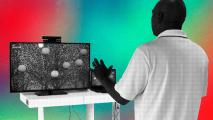
Video game for at-home stroke rehabilitation cuts costs, benefits patients
Patients and healthcare workers are benefitting from video games designed to help with stroke rehabilitation, chronic pain relief, and more.

Blasting mushrooms with UV light boosts vitamin D by 4,600%
Roughly half the world population, including in America, has insufficient levels of vitamin D. UV irradiated mushrooms can help.

Safer painkillers: A novel drug treats pain without killing people
Painkillers have nasty side effects, such as organ damage or addiction. Researchers have discovered a new drug that may cause none of these.

Clues to schizophrenia and bipolar disorder hidden in the dark genome
A new study suggests that the causes of these disorders are hidden in "dark genes," which may account for the enigma of their development.

Psychosomatic illness: Are some diseases caused by our memories?
The brain appears to remember immune responses, and memories can trigger them to happen again.

How the antidepressant Prozac could treat blindness
Prozac is a widely used antidepressant. Data indicates that the drug could be used to prevent blindness due to macular degeneration.

Spinal cord implants help paralyzed people walk again
A new spinal cord implant uses electricity to reawaken spinal neurons.

New tech cuts years off of DNA sequencing
The Stanford Medicine team set a new record for DNA sequencing. They went from obtaining a blood sample to diagnosing an illness in just 8 hours.

90% of drugs fail clinical trials – here’s one way researchers can select better drug candidates
It’s disappointing when the years of effort and resources spent to push a drug candidate to patients so often lead to failure.

What the Russian invasion means for clinical trials in Ukraine
Russia’s invasion has the potential to disrupt clinical trials in Ukraine, warns one of the many companies staging trials in the nation.

Researchers convert donor lungs to universal blood type
A new study reveals that if donor organs were treated with specific enzymes, any organ could become "universal" and be more compatible with recipients of any blood type.

How mRNA and DNA vaccines could treat autoimmune disorders, genetic diseases, and more
Using DNA or an mRNA vaccine, researchers are investigating the feasibility of essentially replacing missing genes that cause disease.

Despite its disastrous effects, COVID-19 offers some gifts to medicine
While it’s still too early to draw conclusions, there's emerging evidence between autoimmune disorders and the virus that causes COVID-19.

Opioid overdose: A bioethicist explains why restricting supply may not be the right solution
Since the unpredictability of drug supply increases overdose risk, making the drug supply predictable should be part of the solution, right?

First gene therapy for Tay-Sachs disease successfully given to two children
After 14 years in development, gene therapy has helped two children surpassed their life expectations and live seizure-free.

New antibody treatment against Omicron gets emergency approval
A new monoclonal antibody treatment effective against Omicron has received emergency authorization weeks after two others were banned.

Smartphone COVID test is as accurate as PCR test
Researchers created a smartphone-based test kit that will test for the viruses that cause COVID and flu. Early research has shown that the kit is as accurate as standard lab-based testing but much faster.

Drug that cleans up cholesterol may reduce post stroke dementia
Researchers look to an FDA-approved drug ingredient that can "scoop-up" and store cholesterol and possibly stave off post stroke dementia.

Mark Cuban launches online pharmacy to cut drug prices
Billionaire investor Mark Cuban has launched an online pharmacy designed to cut the cost of generic drugs by as much as 99%.

Scientists discover possible precursor to a Parkinson’s drug
Scientists have optimized a peptide known to prevent the “protein misfolding,” that causes Parkinson’s disease. This could be a precourser to a disease treatment.

Researchers are testing neural stimulation as a long COVID treatment
Small pilot trials of two different types of external electrical brain stimulation suggest the technique may work as a long COVID treatment.

Researchers find a new target for a universal flu vaccine: the “anchor”
There’s a new target in the battle for a universal flu vaccine: the "anchor,” a part of the virus’ proteins less likely to mutate.

This robotics lab wants to develop the dream surgery
Chicago’s Surgical Innovation Training Lab is developing the robots, surgeons, and digital surgeries of the future.

Microbots in your blood could help destroy cancer
Shape-shifting, magnetic microbots could become assassins for cancer — destroying tumors without the usual collateral damage on the rest of the body.
Google rolls out new tools to help your doctor search
Google has debuted new ways to make your doctor search easier, allowing you to know what insurance they take and languages they speak.

First person cured of type 1 diabetes thanks to stem cells
An experimental stem cell treatment has eliminated type 1 diabetes in a patient, giving experts guarded hope for a diabetes cure.

A simple webcam can automatically catch — and treat — infant jaundice
Researchers in Australia and Iraq have developed a system that uses a webcam to catch infant jaundice and begin treatment right away.

This device can automatically detect and reverse opioid overdoses
Researchers at the University of Washington have developed an AI-powered wearable to detect, and reverse via naloxone injection, opioid overdoses.

A patch to treat peanut allergies appears safe to wear for years
A peanut allergy can be debilitating at best, and life threatening at worst. A new possible treatment looks to be safe to wear for at least three years.

7 scientists we are thankful for this Thanksgiving
One of these scientists saved more lives than any other person in history.

Tuberculosis may spread through aerosols, without coughing
University of Cape Town researchers believe tuberculosis may spread in small aerosols, much like COVID-19.

Just $50 can turn your phone into a powerful chemical, pathogen detector
If this becomes a common feature of smartphones, it could someday allow anyone to identify pathogens and detect impurities in food.

A new clue in why oral vaccines don’t work as well in developing countries
Oral vaccines are crucial to public health, but work worse where they are needed most. A new mouse study has a potential reason why.

A brain implant lets a blind person see again — without using their eyes
A former science teacher who had been blind for 16 years received a brain implant that allowed her to see shapes again.

First-ever: drone delivers lungs for transplant
An uncrewed drone has carried a pair of lungs from Toronto Western Hospital to Toronto General Hospital. It was the first time lungs were transported by drone anywhere in the world.

Cooling caps can help prevent chemo hair loss
Chemo hair loss is a common side effect for cancer patients, but cooling caps can help limit the loss.

Ear sensor can monitor COVID-19 patients remotely
An ear sensor successfully alerted doctors to signs that COVID-19 patients isolating at home were getting worse and should be hospitalized.

Smart microscope slides make breast cancer cells leap off screen
Breast cancer cells appear brightly colored when placed on new smart microscope slides, which could help doctors diagnose patients earlier.

Wearable health monitors help predict flu before symptoms start
A human challenge trial suggests that wearable health monitors could help predict flu and cold infections before symptoms appear.

New portable blood test kit is cheap, fast, and accurate
A new blood test kit that’s fast, portable, and accurate could help bring better healthcare to people in remote and underdeveloped areas.

A blood test for your circadian clock
Your circadian clock controls more than when you sleep and wake. Researchers are developing a simple blood test to try and accurately tell your time.

Cambridge researchers have created a mathematical model for building muscle
Now there’s a mathematical model that could maximize the effectiveness of exercise.

Drone ambulances race to help cardiac arrest victims (Updated)
Drone ambulances deliver defibrillators to suspected cardiac arrest victims more quickly than traditional ambulances in a Swedish study.

Brain-wide gene editing may one day treat Alzheimer’s
Researchers have developed a brain-wide gene editing technique that treated Alzheimer’s disease in mice.

Scientists grew healthy mice from artificial eggs cells and ovaries
For the first time, researchers have created mice from egg cells and ovaries grown from stem cells.

Wasps inspire a new surgical needle
The next new surgical tool may come from an odd place: parasitic wasps whose eggs eat their hosts inside-out.

Using body bags to treat heatstroke
The Pacific Northwest heat wave crushed hospitals with heatstroke victims. Doctors turned to body bags to save lives.
Series|
Challengers
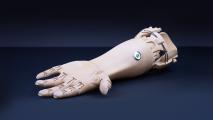
26-year-old builds $8,000 mind-controlled bionic arms
Bionic arms used to cost $80,000. Now, a young engineer has lowered the cost by over 90%.

Inside your nose, it’s bacteria vs. bacteria in the fight against meningitis
Researchers have found that nose drops containing “friendly” bacteria can protect people against meningitis-causing bacteria.

New antibodies may lead to a norovirus vaccine
Researchers have discovered antibodies that neutralize a variety of norovirus strains, a possible step toward an effective norovirus vaccine.

Harvard has a vaccine against septic shock
A new vaccine platform based on biomaterial may eventually provide rapid protection against multiple bacterial threats.

This 3D-printed graft may improve ruptured eardrum surgery
Researchers at Harvard have developed a 3D-printed graft they hope will make ruptured eardrum surgeries safer, faster, and more effective.

This wireless pacemaker dissolves into your body
Researchers at Northwestern and George Washington University have developed a pacemaker that dissolves into the body.

These glowing bacteria can diagnose gut problems
Using synthetic biology, a team at Rice has designed bacteria that can sense signs of inflammatory bowel disease in mice.

3D-printed nose cartilage may someday fix your face
Researchers have developed a way to bioprint nose cartilage that they hope will one day minimize the need for invasive harvesting from the ribs.

Color-changing gold tattoo can monitor your health
Researchers have found a way to use gold nanoparticles to help diagnose medical problems by embedding them in an invisible tattoo.

An IBM quantum computer is being built at a US hospital
An IBM quantum computer is being installed at the Cleveland Clinic as part of the organizations' Discovery Accelerator collaboration.

Nurse’s smelling “superpower” leads to skin swab test for Parkinson’s
Researchers developed a skin swab test for Parkinson’s after studying a woman’s strange ability to smell the disease.

Doctors can now see the lungs of a newborn breathing
There’s a lot about newborn breathing doctors don’t know, but a new imaging technique that can record a baby’s first breaths is pulling back the curtain.

“Heart in a box” gives 6 kids second chance at life
For the first time, TransMedics’ “heart in a box” machine has been used to help children in need of heart transplants, with great success.

Radioactive bone cement may help treat spinal tumors
External radiation can damage bones and cause side effects. Radioactive bone cement directly into the spine may be a better option.

Stamp-sized wearable health monitor can do it all
Researchers at UCSD have developed a wearable health monitor that can measure both cardiovascular and biochemical signals at once.

Total artificial heart approved for sale in Europe
The European Commission has approved the sale of Carmat’s total artificial heart, which is designed for patients with end-stage heart failure.

Nerve-stimulator helps people walk after MS and strokes
The EvoWalk wearable uses electrical stimulation, sensors, and AI to combat foot drop, a condition commonly linked to MS and strokes.

Smart vaccine device could speed up development process
An in-development smart vaccine device uses a microneedle patch to both deliver a vaccine and measure the immune response it generates.

Cancer blood test trial to launch in the UK
The UK is trialing a blood test designed to detect 50 types of cancer at once, which could be a gamechanger in cancer screening if proven effective.

Green space at daycare gives city kids an immune boost
Adding a green space to an urban daycare’s playground can boost a child immune system after just 28 days.

A microevolution is happening in humans right now
More humans are being born with a third arm artery, an example of microevolution happening right before our eyes.

A deadly virus emerged in South Africa in 2008. Then it vanished.
A deadly new virus killed a South African safari agent and three others, then disappeared without a trace. What can we learn from a unique outbreak?

Jaw joints grown from fat could alleviate TMJ pain
Researchers have grown new jaw joints for pigs from fat-sourced stem cells, and the technique could one day cure TMJ pain, or even knee pain, in people.

Smart vibrator helps scientists study female orgasms
The Lioness Sex Research Platform is helping scientists study female orgasms by providing anonymized data collected by a smart vibrator.

Doctors fighting deadly climate change
In partnership with Skoll Foundation
These doctors are coming together to address their collective carbon footprint, explore new solutions, and improve sustainability in healthcare.

MIT can now monitor your sleeping position with radio waves
A new sleep monitor out of MIT uses reflections from radio signals — not cameras or body sensors — to track a person’s sleeping positions.

FDA approves first artificial pancreas for young children
The FDA has approved a new artificial pancreas for children, making diabetes management easier for caretakers of diabetics as young as two.

Redesigned syringe could increase global access to medicine
A double-barrel syringe developed at MIT makes it possible to inject highly viscous biologics, making them more accessible to patients.

A health app could someday detect heart disease via selfies
Researchers in Beijing created a new deep learning algorithm, which claims to detect signs of heart disease in the human face.

Study may explain why cancer gets more aggressive as we age
A molecule in the blood of older people promotes the spread of cancer, which could explain the link between age and metastatic cancer.

Using smartphone cameras to detect diabetes
A new algorithm can detect diabetes using data collected by a smartphone’s camera, offering a way to address the problem of undiagnosed diabetes.

The material that could help humans become cyborgs
Coating implantable electronics in the polymer PEDOT can extend their life, which could make cyborgs more common in the future.

Can a wellness app really change someone’s life?
In partnership with Virgin Pulse
America has the highest per capita health spending in the world, and yet, worse population health outcomes than most other developed nations. This wellness app gets to the heart of the issue.

A new way to promote bone healing, inspired by LEGO blocks
Drawing inspiration from LEGO blocks, researchers have created a new type of scaffold to facilitate better bone healing and soft tissue repair.

New blood test for cancer could lead to earlier diagnoses
A new blood test for cancer that can detect the disease four years before symptoms appear could one day be used as a routine cancer screening tool.

End-of-life AI
End-of-life and palliative care discussions with patients are crucial but difficult. Can AI help?

Personalized blood test for cancer hunts down tumor DNA
A newly unveiled personalized blood test for cancer monitoring has a sensitivity 10 times that of existing liquid biopsy methods.

Series|
Catalysts
Online eye exams will change the way we buy glasses
In partnership with Stand Together
The FDA recently lifted restrictions against an online eye exam provider to help optometrists reach their patients during the pandemic. Will vision care go virtual for good?

Genetic “off switch” may lead to new breast cancer treatment
A much-needed triple negative breast cancer treatment could center on the suppression of a single gene identified in a new Tulane University study.